

 editor
 It is easy to confuse fine lines with wrinkles when you first spot a change in the texture of your skin. They can be thought of as the same; however, they are not. Knowing the difference will guide you to take the appropriate method to take care of your skin and deal with each issue efficiently.
The Difference Between Fine Lines and Wrinkles
Fine lines are the first subtle signs that skin is changing with age. They are usually shallow and most visible when you smile or squint. These lines tend to appear around the eyes, across the forehead, and near the mouth. They often form because the skin’s natural collagen production slows down over time. Sun exposure, dehydration, and repetitive facial expressions make them more noticeable.
Wrinkles, on the other hand, are deeper and more permanent. They can start as fine lines but grow more pronounced as skin loses elasticity. Wrinkles may run vertically between the brows, branch from the corners of the eyes, or appear in folds around the mouth and neck. The main culprits are collagen loss, reduced skin hydration, and years of repeated facial movement.
Think of fine lines as early warnings. Wrinkles are the more established signs that skin has gone through years of wear and tear.
Why Fine Lines Appear First
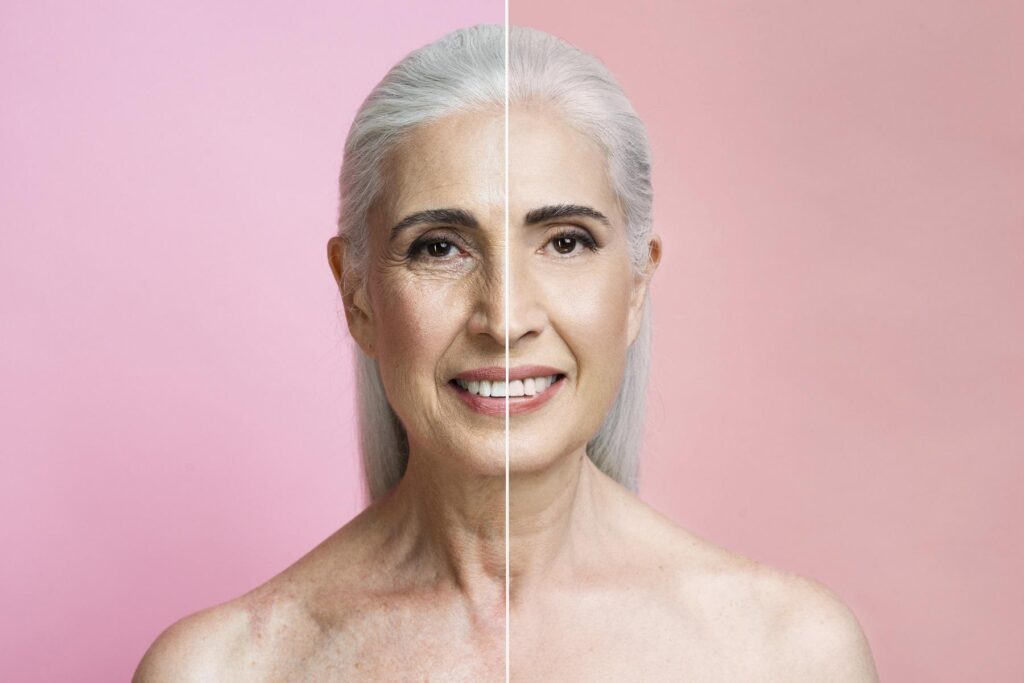
Skin is made up of layers. The outer layer provides protection, while the deeper layers hold collagen and elastin. These proteins keep skin smooth and firm. As you age, production slows down. The skin’s ability to hold moisture also drops. This combination makes it easier for small creases to form on the surface.
External factors speed this process up. Sun exposure breaks down collagen faster. Dry climates or indoor heating draw moisture out of the skin. Even something as simple as not drinking enough water can make lines look sharper than they really are.
Fine lines usually appear in areas where skin is thinner and more delicate. The skin around your eyes is one of the thinnest areas on the body, so it shows signs of aging sooner.
Read: Choosing the First Mobility Device for Elderly Parents
How Wrinkles Develop Over Time
When fine lines are not addressed, they can deepen into wrinkles. This happens when the skin’s support structure weakens further. Years of repeated expressions, such as frowning or smiling, create creases that become permanent.
Gravity plays a part as well. Over time, skin naturally sags. This makes wrinkles more visible, especially around the jawline and neck. Lifestyle choices add to the problem. Smoking reduces blood flow to the skin, which limits oxygen and nutrients. Poor diet, chronic stress, and lack of sleep all interfere with the body’s ability to repair itself.
Can Fine Lines Be Reversed?
Fine lines are often easier to treat than wrinkles because they are still shallow. You can improve their appearance with consistent care and smart habits. Moisturizers with hyaluronic acid can plump the skin temporarily, making lines less visible. Products with retinol or peptides can help rebuild collagen over time.
Regular exfoliation removes dead skin cells and encourages fresh skin to surface. Sunscreen is non-negotiable. Protecting your skin from further UV damage will slow down the deepening of lines.
How to Treat Wrinkles
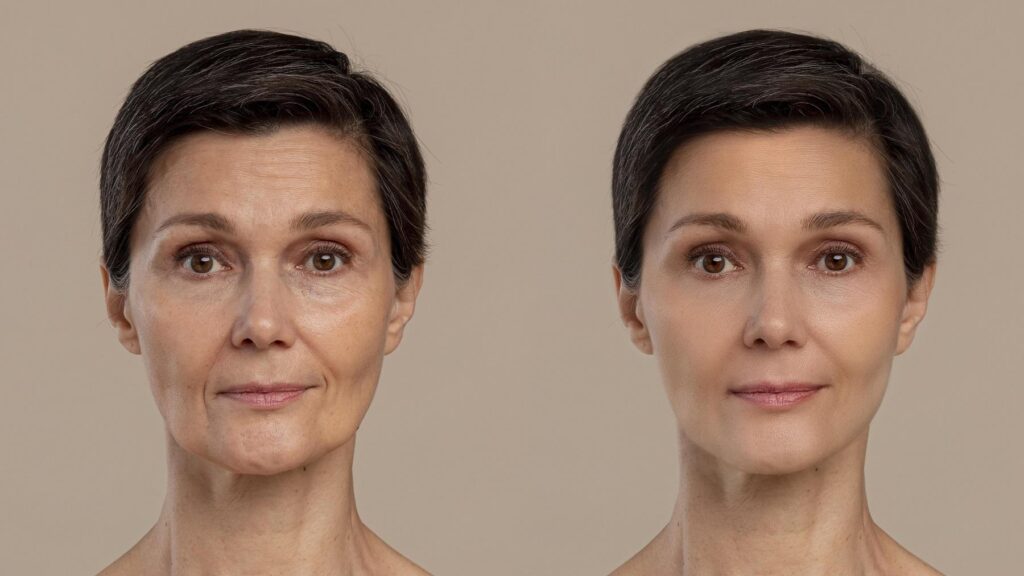
Wrinkles need a more powerful treatment. Topical treatments may be of assistance, but more severe lines may require professional procedures. Alternatives are chemical peels, micro-needling, or laser resurfacing. These treatments cause the skin to generate additional collagen as well as smoothen the surface.
In case of more prominent wrinkles, injectables such as botulinum toxin or dermal fillers can be taken into consideration. They can loosen the muscles on the face or add volume back. A dermatologist may help you choose the most effective skin treatment based on your skin type and intentions.
Daily care is important even in cases of professional treatments. Results will be maintained with a regular skincare regimen and a healthy diet, and hydration.
Lifestyle Choices That Make a Difference
No product or procedure works in isolation. Your daily choices shape the way your skin ages. Here are key habits that help keep both fine lines and wrinkles at bay:
- Use sunscreen every day, even when it is cloudy
- Stay hydrated by drinking enough water throughout the day
- Get quality sleep so the skin can repair itself overnight
- Eat a diet rich in antioxidants such as berries, leafy greens, and nuts
- Avoid smoking to keep the blood flow and oxygen supply strong
- Manage stress with activities that help you relax and maintain balance
Consistency is what brings results. Skincare is not about quick fixes but about creating conditions where your skin can stay as strong and smooth as possible.
When to Start Taking Action
The best time to treat fine lines is before they deepen into wrinkles. Even if you do not see visible lines yet, preventive care pays off in the long run. Using sunscreen, keeping skin hydrated, and introducing collagen-boosting products early can delay visible aging.
If wrinkles have already formed, there is no need to feel discouraged. Modern skincare and treatments can improve their appearance significantly. The earlier you start, the easier it is to maintain progress.
Final Thoughts
Fine lines and wrinkles are two different things, though they are both a natural part of the aging process of the skin. Fine lines are superficial and can be corrected by proper care. The wrinkles are deeper and might need the assistance of a professional to minimize them.
The difference gives you the ability to select treatments that suit the needs of your skin. Just by taking care of your skin, feeding it internally, and consulting a specialist when there is a need, you can ensure that your skin is left to look good well into the future. You cannot stop the aging process, but you can choose how you age, and by taking some informed decisions and acting regularly, you can ensure that your skin ages well.
Author’s Bio:
Disha Sharma is an experienced content writer with a proven track record at Skinerva Clinic. Her work spans various subjects, demonstrating her versatility and ability to adapt her writing style to different audiences.