 editor
 Muscle cramps can strike suddenly and leave you frozen in pain. Whether you’re exercising, resting, or even sleeping, a muscle cramp can stop you in your tracks. These sharp, involuntary contractions often target areas like the calves, feet, thighs, or hands. While cramps usually last only a few seconds or minutes, the discomfort can feel intense.
The good news is that you can relieve muscle cramps quickly with simple strategies. You can also prevent them in the future with proper hydration, stretching, and smart exercise habits. In this guide, you’ll learn what causes muscle cramps, how to find fast relief, and when to seek medical help.
What Are Muscle Cramps?
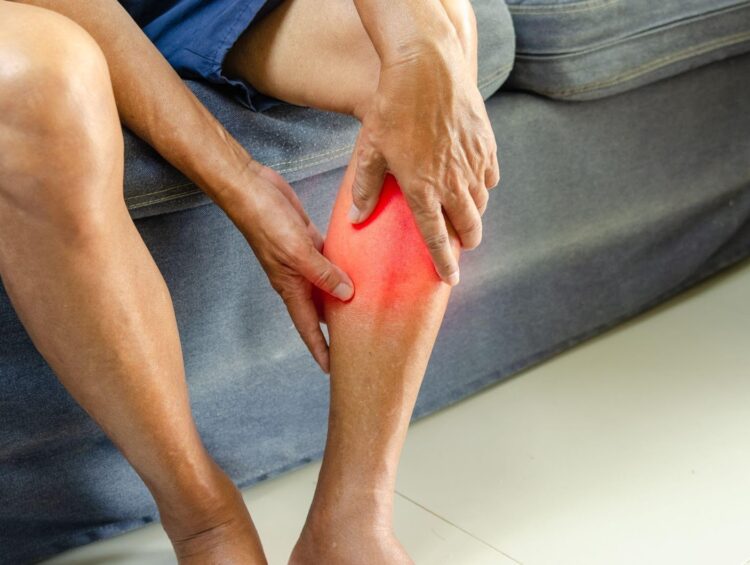
Muscle cramps occur when a muscle contracts involuntarily and doesn’t relax. You may feel a tight knot in the muscle along with sharp pain. The affected area may also feel hard to the touch during the cramp.
Most muscle cramps are harmless and temporary. However, frequent or persistent cramps may signal an underlying issue such as dehydration, electrolyte imbalance, nerve compression, or poor circulation.
Read: Your Guide to Selecting a Compassionate Dentist in St. Louis
Why Do Muscle Cramps Happen?
Several factors contribute to muscle cramps. The body relies on a balance of minerals, blood flow, and healthy muscle function to move properly. When one of these factors becomes disrupted, cramps may occur.
Your muscles contract and relax repeatedly during movement. When they become overworked or lack proper nutrients, they may lock up involuntarily. The nervous system may also misfire during intense activity or fatigue, triggering a cramp.
Common Causes of Muscle Cramps

Although cramps can affect anyone, certain conditions and habits increase the risk. Below are the most common causes:
Dehydration
Your muscles require adequate water to function. When the body loses too many fluids—often through sweating—muscle cells become irritable and prone to spasms.
Electrolyte Imbalance
Electrolytes such as potassium, magnesium, calcium, and sodium help regulate muscle and nerve function. When they’re low, cramps become more frequent.
Overuse of Muscles
Intense exercise, especially without proper warm-up, can exhaust muscle fibers. Fatigue increases the likelihood of painful spasms.
Poor Blood Circulation
Restricted blood flow reduces oxygen delivery to muscles. Over time, this can trigger cramping, especially in the legs.
Prolonged Sitting or Standing
Holding the same position for too long can overstress a muscle group. Eventually, the muscle can tighten or spasm unexpectedly.
Medical Conditions
Some health issues can contribute to muscle cramps, such as:
- Diabetes
- Hypothyroidism
- Nerve compression
- Kidney disease
Certain medications, such as diuretics, may also increase cramping.
How to Relieve Muscle Cramps Quickly

When a muscle cramp hits, the goal is to relax the muscle fast. Here are effective strategies for quick relief:
Gentle Stretching
Stretching the affected muscle helps release the tight fibers. For example:
- Calf cramp: Extend your leg and pull your toes toward you.
- Hamstring cramp: Straighten your leg while sitting and lean forward.
- Foot cramp: Stand and apply pressure downward on the foot.
Hold each stretch for 15–30 seconds and repeat if needed.
Massage the Area
Use your hands to rub the cramped area. Apply steady pressure and slowly increase intensity. Massage improves blood flow and quick pain management. You can use warm oil or a muscle-relief cream for extra comfort.
Apply Heat
Heat relaxes tight muscles. Use a warm towel, heating pad, or take a warm shower. Heat therapy works especially well for nighttime leg cramps or after hard workouts. Apply heat for 10–15 minutes for best results.
Apply Cold Compress
Ice packs help when the muscle feels sore after a cramp. Cold reduces inflammation and numbs pain. Wrap ice in a cloth and apply for 10–15 minutes.
Drink Water or an Electrolyte Beverage
If your cramp relates to dehydration or electrolyte imbalance, hydrating can help. Coconut water, electrolyte tablets, or sports drinks may help restore balance.
Walk or Move Gently
Light movement encourages the muscle to relax. A gentle walk, slow leg swing, or ankle rotations may help reduce lingering tension.
Elevate the Affected Area
If you have foot or calf cramps, elevate your legs on a pillow. Improved circulation often releases tension.
Preventing Muscle Cramps in the Future
Prevention is always better than dealing with sudden pain. Here are practical ways to reduce the risk of future muscle cramps:
Stay Hydrated
Drink water consistently throughout the day. Increase intake during exercise or warm weather.
Maintain Electrolyte Balance
Eat foods rich in potassium, magnesium, and calcium, such as:
- Bananas
- Avocados
- Oranges
- Leafy greens
- Yogurt
- Nuts
These post-workout snacks provide nutrients to support muscle function and nerve health.
Warm Up and Cool Down
Prepare your muscles before exercise and stretch when you’re done. This technique improves flexibility and reduces strain.
Stay Physically Active
Regular exercise improves circulation and muscle resilience. Even simple stretching routines can prevent nighttime cramps.
Wear Proper Footwear
Supportive shoes can prevent muscle strain, especially during long walks or workouts.
Avoid Sitting or Standing Too Long
Take short breaks to stretch or move if your lifestyle requires long periods in one position.
When to Seek Medical Advice

Most muscle cramps are harmless. However, some issues may require medical attention. Seek help if:
- Cramps occur very frequently
- The pain is severe or lasts a long time
- You notice muscle weakness
- You experience cramps with swelling or redness
- Cramps happen along with dehydration symptoms like dizziness
- A medical condition might be the cause
Doctors may perform blood tests or nerve studies to check for underlying issues. They may recommend supplements or medications if necessary.
Conclusion
Muscle cramps are painful but usually short-lived. Quick actions like stretching, hydration, heat therapy, and massage can bring fast relief. Additionally, some people explore the benefits of IV hydration therapy when dealing with dehydration-related muscle cramps, as it may help restore essential minerals faster. Maintaining a healthy routine reduces your chances of cramps in the future. Focus on hydration, proper nutrition, and regular movement to keep muscles strong and flexible. If cramps become frequent or severe, speak with a healthcare professional. Early attention helps rule out serious causes and ensures your muscles stay healthy. By understanding your body and applying these simple strategies, you can relieve muscle cramps quickly and enjoy an active, comfortable lifestyle.