
 editor
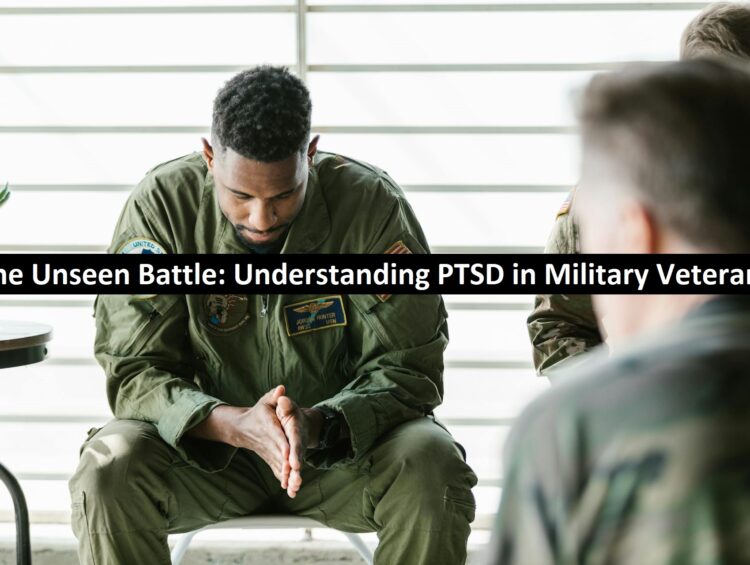
 Post-Traumatic Stress Disorder (PTSD) is a serious mental health condition that profoundly affects many veterans. Stemming from the intense and often traumatic experiences of military service, PTSD presents with a variety of symptoms such as intrusive thoughts, extreme anxiety, heightened alertness, and emotional detachment. These symptoms can disrupt a veteran’s daily life, relationships, and overall well-being.
The demands of military service, which often involve exposure to life-threatening events, witnessing violence, and sustaining injuries, place veterans at a high risk for developing PTSD. The transition to civilian life can further exacerbate these symptoms, adding to the challenges veterans face. For many military veterans with PTSD, the routine of preparing and consuming post-workout snacks can serve as a grounding ritual, helping to anchor them in the present and manage anxiety. Unfortunately, stigma and a lack of understanding often prevent timely access to effective treatment.
Infographic provided by Veteran Car Donations, a top company for Michigan car donationsAddressing PTSD in veterans requires a comprehensive approach that includes psychological, medical, and social support. Evidence-based treatments like Cognitive Behavioral Therapy (CBT) and Eye Movement Desensitization and Reprocessing (EMDR) have been effective in managing PTSD. The impact of sleep debt on military veterans with Post-Traumatic Stress Disorder (PTSD) is significant, as chronic sleep deprivation can worsen hyperarousal, impair emotional memory processing. Additionally, peer support and veteran-specific mental health services are critical components of recovery.
Providing adequate care for veterans with PTSD is not just a healthcare priority; it is a societal responsibility, acknowledging their sacrifices and ensuring they receive the support they need. Given the link between physical health and mental well-being, military veterans with PTSD are often advised to keep your weight under limit as a way to help manage their symptoms.